What Is 925 Sterling Silver?
Understanding the Metal Behind Handmade Jewellery
Sterling silver is one of the world’s most popular precious metals, valued for its bright white finish, durability and timeless appeal. If you’ve ever noticed a 925 stamp inside a ring or on the clasp of a necklace, you may have wondered what it means.
In this guide, I’ll explain what 925 sterling silver is, why it’s used in fine jewellery, what the 925 hallmark represents, and how UK hallmarking helps protect consumers.
What Does 925 Mean?
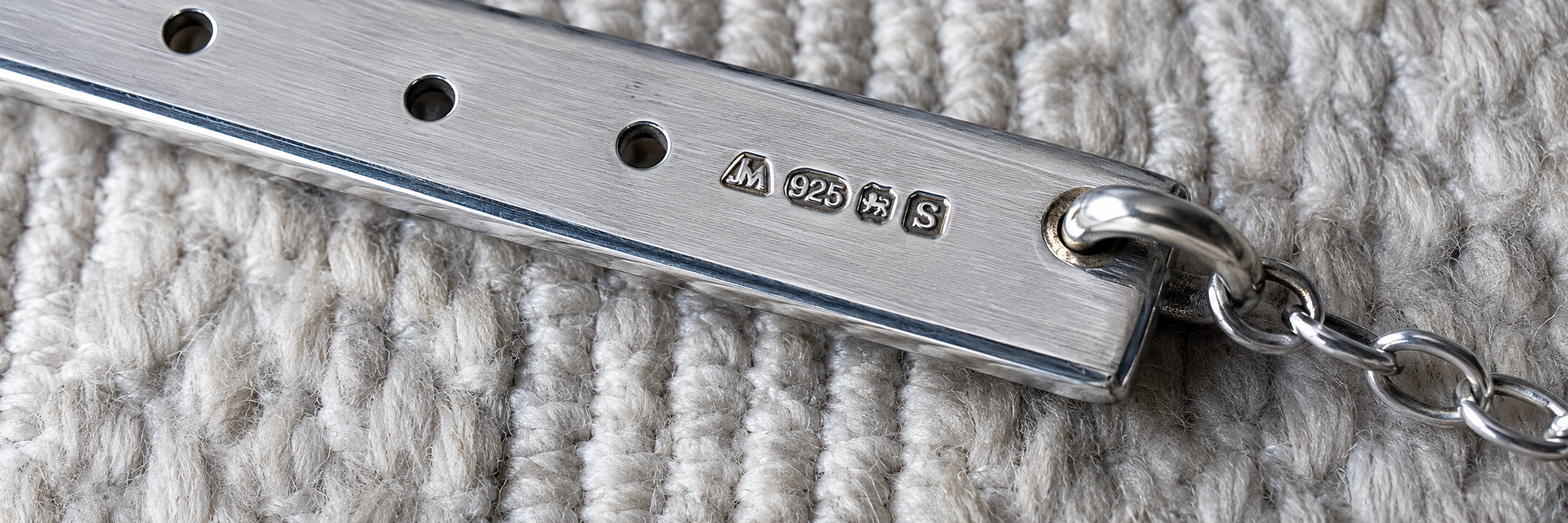
The number 925 is a hallmark that tells you the metal contains 92.5% pure silver.
Because pure silver is naturally very soft, it isn’t practical for everyday jewellery on its own. The remaining 7.5% is made up of other metals, most commonly copper, which increases the strength and durability of the jewellery while maintaining the beautiful appearance of silver.
This combination is known as 925 sterling silver and is recognised around the world as the standard for high-quality sterling silver jewellery.
Why Isn’t Jewellery Made from Pure Silver?
Although pure silver has a beautiful bright finish, it bends and scratches easily.
By alloying pure silver with a small amount of another metal, jewellers create a material that is much stronger while retaining the appearance people love. This makes 925 sterling silver ideal for rings, necklaces, bracelets and earrings designed to be worn and enjoyed every day.
Understanding UK Hallmarking
When creating jewellery, precious metals such as silver, gold, platinum and palladium are rarely used in their purest form. Instead, they are alloyed with other metals to improve their strength, durability and suitability for everyday wear.
Because it isn’t possible to determine the precious metal content simply by looking at a piece of jewellery, UK law requires certain items to be independently tested and hallmarked before they can legally be described as precious metals.
Under the Hallmarking Act 1973, the following weight thresholds apply:
- Silver: Over 7.78 grams
- Gold: Over 1 gram
- Palladium: Over 1 gram
- Platinum: Over 0.5 grams
Jewellery above these weights must be submitted to one of the UK’s official Assay Offices, where it is independently tested. If the item meets the required standard, it is hallmarked to confirm its precious metal content.
My Hallmark
As a registered maker with a UK Assay Office, I have my own unique maker’s mark.
When one of my sterling silver pieces exceeds the legal hallmarking weight, it is submitted for independent testing. Once approved, it is stamped with both my registered maker’s mark and the official Assay Office hallmarks, providing independent verification that the jewellery meets the required legal standard for sterling silver.
What About Smaller Pieces?
Not every piece of sterling silver jewellery is legally required to carry a hallmark.
Many delicate rings, earrings and pendants weigh below the UK’s mandatory hallmarking threshold. Although these pieces may not display an official hallmark, they can still be made from genuine 925 sterling silver.
At Jody 925 Jewellery, every piece is handcrafted using genuine 925 sterling silver, whether or not it falls within the legal hallmarking requirements.
Why I Choose 925 Sterling Silver
As a jewellery maker, I choose 925 sterling silver because it offers an excellent balance of beauty, strength and longevity.
Its bright white finish complements a wide variety of natural gemstones, making it a versatile choice for both everyday jewellery and statement pieces. With the right care, sterling silver can remain beautiful for many years.
Will Sterling Silver Tarnish?
Yes. Sterling silver naturally reacts with elements in the air over time, causing a darker surface layer known as tarnish (oxidisation).
This is completely normal and does not mean your jewellery is poor quality. In most cases, tarnish can be removed with gentle cleaning.
Frequently Asked Questions
Is 925 sterling silver real silver?
Yes. It contains 92.5% pure silver, making it genuine sterling silver.
Does every piece of sterling silver have a hallmark?
No. In the UK, only items above the legal hallmarking weight must be hallmarked. Smaller pieces can still be made from genuine 925 sterling silver without carrying a full UK hallmark.
Can I wear sterling silver every day?
Yes. Sterling silver is designed for everyday wear and, with proper care, can last for many years.
Will sterling silver turn my skin green?
Quality 925 sterling silver does not normally turn your skin green. Occasionally, skin chemistry, moisture or cosmetics may cause temporary discolouration, but this is not harmful and can usually be washed away.
Jody’s Tip
As a jewellery maker, I love working with 925 sterling silver because it combines beauty, durability and timeless appeal. Whether a piece carries a full UK hallmark or falls below the legal hallmarking threshold, using genuine 925 sterling silver means creating jewellery that’s made to be worn, enjoyed and treasured for years to come.